



Rare disease exposes the limits of current clinical development models. Small, fragmented populations make patient identification difficult. Heterogeneous biology complicates endpoint selection. Limited precedent creates uncertainty in regulatory pathways. At the same time, the therapies being developed in this space are among the most advanced in medicine, often reaching patients before systems are fully equipped to support them.
Rare disease drug development involves decision-making under extreme uncertainty. Teams are asked to design trials without well-established endpoints, in small and heterogeneous populations, often with limited natural history data and no prior approvals to learn from. For many programs, there is only one realistic shot to generate a clear signal. The cost of getting those early decisions wrong is high.
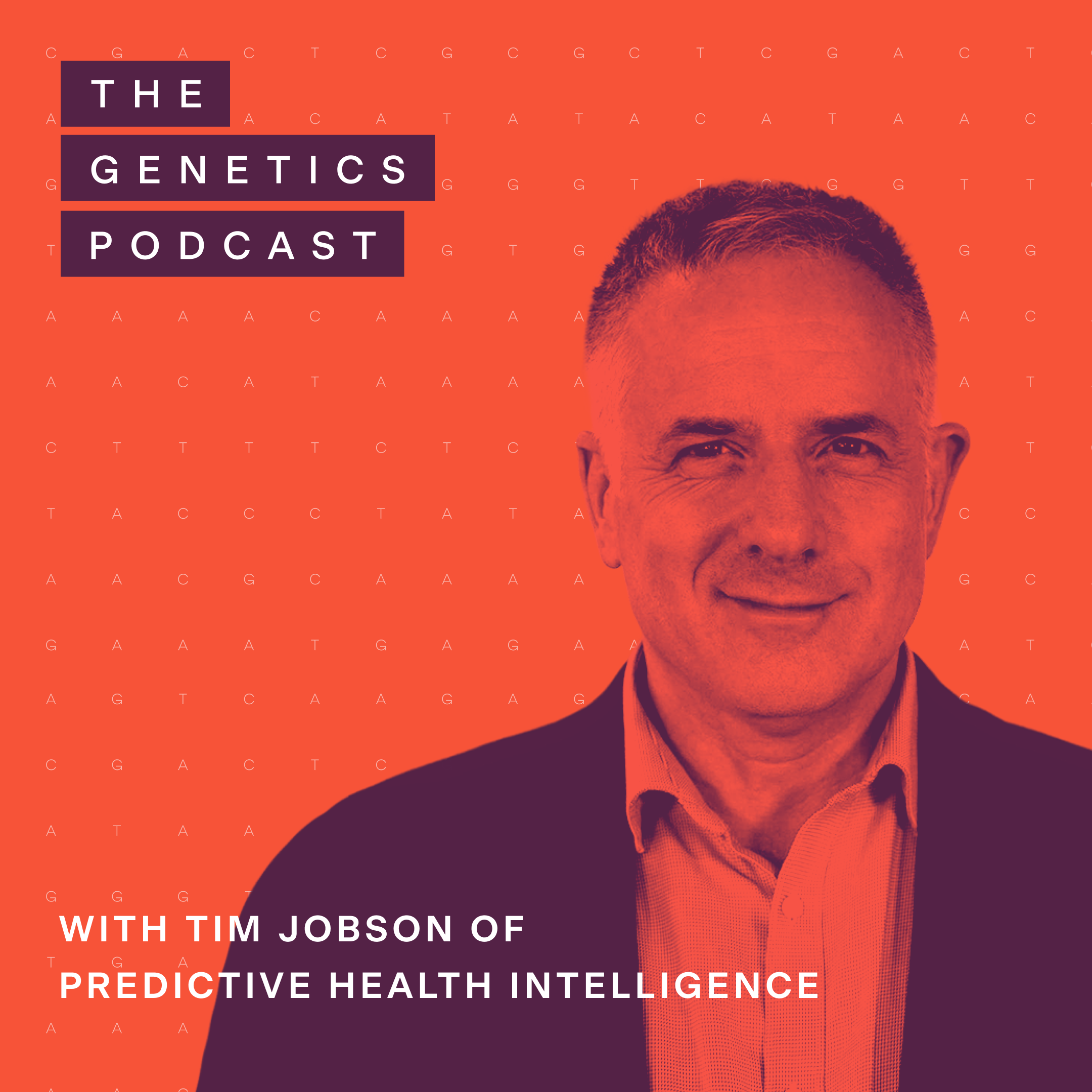
Liver disease remains one of the few major disease areas where outcomes have not improved in line with other fields such as cardiovascular disease and cancer. In the latest episode of The Genetics Podcast, host and Sano Co-Founder and CEO Patrick Short spoke with Dr. Tim Jobson, Medical Director of Predictive Health Intelligence and Consultant Gastroenterologist at Somerset NHS Foundation Trust, about why that is and what it will take to change it.

In rare disease and genetically stratified trials, recruitment often depends on a single critical step: confirming that a patient carries the relevant genetic variant.

Genetic testing has become a core component of patient identification and stratification in modern clinical trials, particularly in rare disease and precision medicine programs. Direct-to-patient testing models are now widely used to expand reach, reduce site burden, and accelerate eligibility assessment.

On the latest episode of The Genetics Podcast, Patrick welcomed Dr. Andrea Ganna, an Associate Professor at the Institute for Molecular Medicine Finland (FIMM), part of HiLIFE at the University of Helsinki, an Associated Faculty member at the ELLIS Institute Finland, and a Research Associate at Massachusetts General Hospital and Harvard Medical School. They discussed a shift that many in biomedical R&D are now grappling with: after years of work in large-scale genetics, polygenic scores, and biobanks, his focus is expanding toward electronic health records (EHRs) and foundation models built on health system data.

At Seqera Sessions London 2026, Dr. Katie Barnes, Head of Clinical Genetics at Sano Genetics, outlined a practical challenge facing the field: how to move from fragmented patient identification and testing processes to scalable systems that can support modern clinical trials. Her talk focused on the clinical and bioinformatics infrastructure required to make that shift possible.

Recruitment in genetically stratified clinical trials is often constrained by a simple problem: large screening volumes do not translate into eligible patients. Sponsors can process thousands of participants, yet only a small fraction meet protocol criteria after genetic testing. This creates delays, increases cost, and limits confidence in scaling recruitment programs.

Somerset, UK, 18th March 2026: Predictive Health Intelligence (PHI) and Sano Genetics today announced the completion of recruitment into the LiveWell study, with 996 participants enrolled from a single NHS site in less than a year.

Genome sequencing is now a core part of rare disease diagnostics in several healthcare systems. However, the path from sequencing technology to clinical impact still depends on infrastructure, interpretation, and coordinated healthcare delivery.